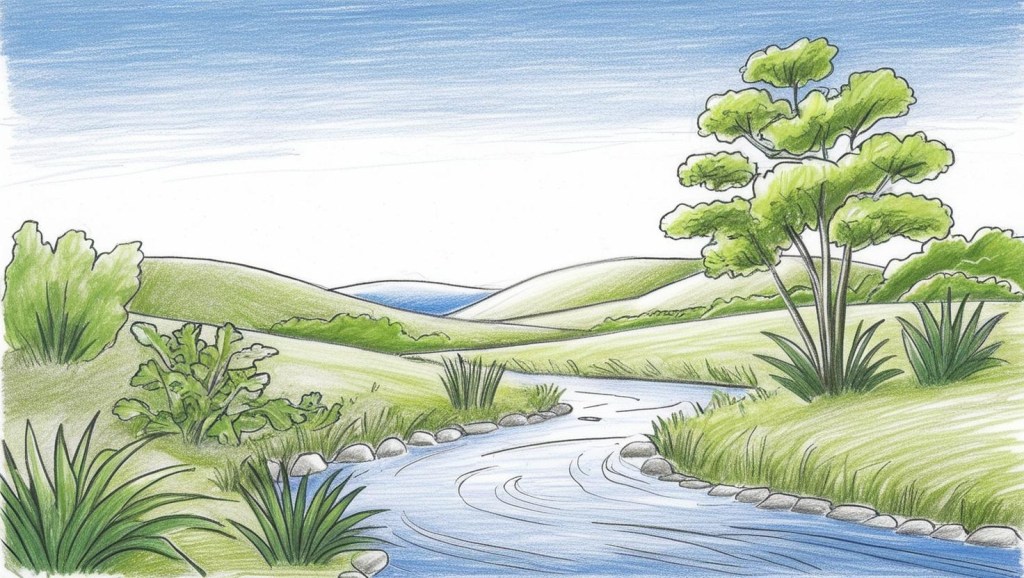
Looking to combine your love for nature with a creative outlet? Nature sketching is not only a fun activity but also a deeply therapeutic one. Whether you’re a beginner artist, a nature lover, or even a family with kids looking for a relaxing weekend activity, drawing simple sceneries can help you disconnect from screens and connect with the world around you.
This blog will guide you through some easy-to-follow nature sketching ideas, offer tips for improving your art, and help you build confidence in translating outdoor wonders onto paper. By the end, you’ll feel inspired to pick up that pencil or pen and start sketching!
Why Sketching Nature is More Than Just an Artform
Sketching nature is so much more than creating art—it’s an opportunity to pause, breathe, and see the world in greater detail. The soft ripples of a pond, the intricate pattern of a leaf, the dance of sunlight filtering through trees—your paper becomes a canvas for mindfulness.
Benefits of Nature Sketching Include:
- Reducing stress and boosting relaxation.
- Strengthening observation and attention to detail.
- Offering a platform for creative expression.
- Bringing families and friends together for a shared activity.
If you’ve been waiting for the perfect reason to start your sketching journey, this is your sign!
Getting Started with Nature Sketching
Before heading out to sketch, you’ll need the right tools. Don’t worry—nature drawing doesn’t have to break the bank. A few simple materials will do!
Basic Drawing Materials for Nature Sketching
- Sketchbook: Opt for one with thicker paper to handle light shading or even watercolors.
- Pencils: A standard set of HB, 2B, and 4B pencils is perfect for creating depth.
- Eraser: A kneaded eraser works well for soft corrections.
- Sharpener: Make sure your lines are crisp with a trusted pencil sharpener.
- Blending Tools: Tissue paper or blending stumps are great for smooth shading.
- Optional: Colored pencils or watercolors for an added pop of life.
Once you’ve got your tools, it’s time to draw!
Easy Nature Drawing Ideas: Step-by-Step Scenery Sketches
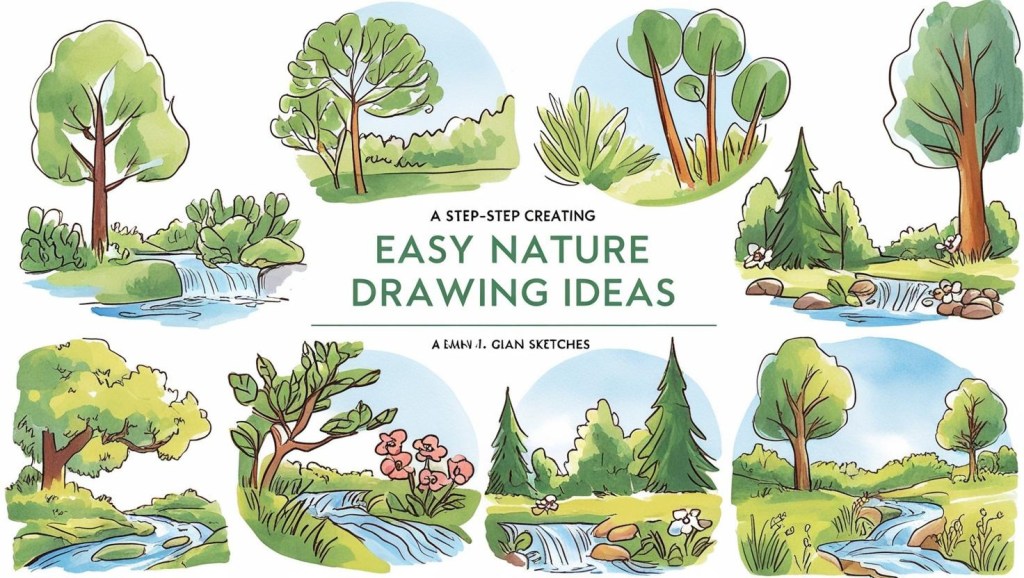
Here are some simple yet beautiful nature drawing ideas to get you started.
1. A Peaceful Mountain Landscape
- Start by sketching a rough outline of the mountains, with one or two peaks slightly taller for visual interest.
- Add a winding river or a path at the base of the mountains to guide the eye.
- Use light strokes to add shading on one side of the mountains to mimic light and shadow.
- Draw pine trees in the foreground, keeping them smaller as they recede into the background.
2. A Cozy Forest Path
- Begin with a simple curved path that narrows in the distance to create depth.
- Sketch tall trees on either side of the path, varying the size to add dimension.
- Add details like fallen leaves, grass, or tiny mushrooms along the path.
- Use shading to create soft contrasts between sunlight filtering through the trees and shaded areas.
3. A Tranquil Pond Scene
- Draw an oval or uneven circle for the pond outline.
- Add reflections of distant trees or clouds on the pond surface with light pencil strokes.
- Sketch lily pads floating in water and a few reeds along the edge.
- Add a small duck or frog for a charming touch.
These beginner-friendly ideas are perfect for family sketching sessions or personal creative explorations!
Advanced Techniques for Nature Art Enthusiasts
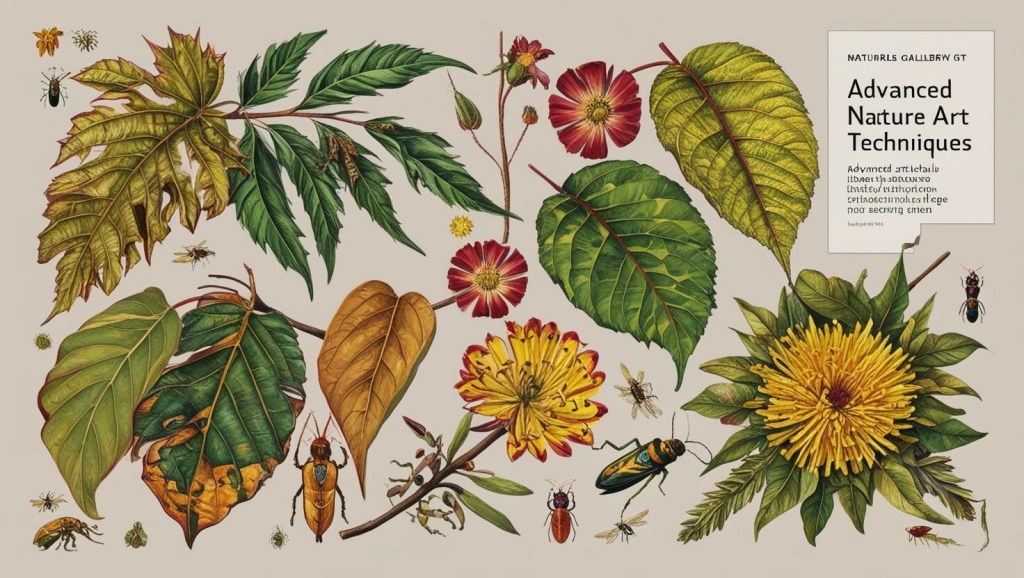
Feeling ready to level up your nature drawing? Try incorporating these more advanced techniques!
- Textured Detailing: Use stippling or cross-hatching techniques to bring life to textures like bark, rock, or foliage.
- Perspective Drawing: Experiment with drawing perspectives, such as a winding road disappearing into the horizon or a high-angle view of a valley.
- Mixed Media: Add watercolors to your pencil sketches for a dynamic finish. Blend soft blues for the sky and warm greens for foliage.
- Reflections and Shadows: Reflections on a lake or shadows cast by trees can add realism and depth to your drawings.
Tips for Beginners to Master Nature Sketching
Starting something new always takes a little practice—and that’s okay! Here are a few beginner tips to boost your confidence.
- Start Small: Instead of a full forest, start with a single leaf or rock to build observation skills.
- Break it Down: Simplify complex sceneries into shapes—ovals for leaves, rectangles for trunks, triangles for mountains.
- Focus on Light and Shadow: Practice shading to make your drawings look three-dimensional.
- Don’t Strive for Perfection: Nature is beautifully imperfect, and your sketches should be too!
Keep Inspired With an Art Journal
One of the best habits for any aspiring nature artist is keeping an inspiration journal.
- Sketch daily, even if it’s only for five minutes.
- Note the date, location, and time to capture the essence of your environment.
- Collect leaves, flowers, or photos and tape them into your journal for reference.
- Reflect on your sketches, noting what you love and what you’d like to improve.
Your journal becomes a visual diary of your creative growth—a keepsake you’ll treasure for years.
 Simple Drawing For Kids