1. Introduction: Why Drawing Fish is Perfect for Kids
Drawing is one of the most creative and enjoyable activities for kids. It encourages them to explore their imagination, helps develop fine motor skills, and provides an opportunity to express themselves. If you’re looking for an engaging and simple project for children, drawing fish is a fantastic choice. Whether it’s their first time picking up a pencil or they’re seasoned young artists, this step-by-step fish drawing guide will ensure they have fun while learning. In this article, we’ll guide you through easy drawing techniques for kids, introduce creative variations, and share tips for making this project even more enjoyable.
2. Why Drawing Fish is a Fun Activity for Kids
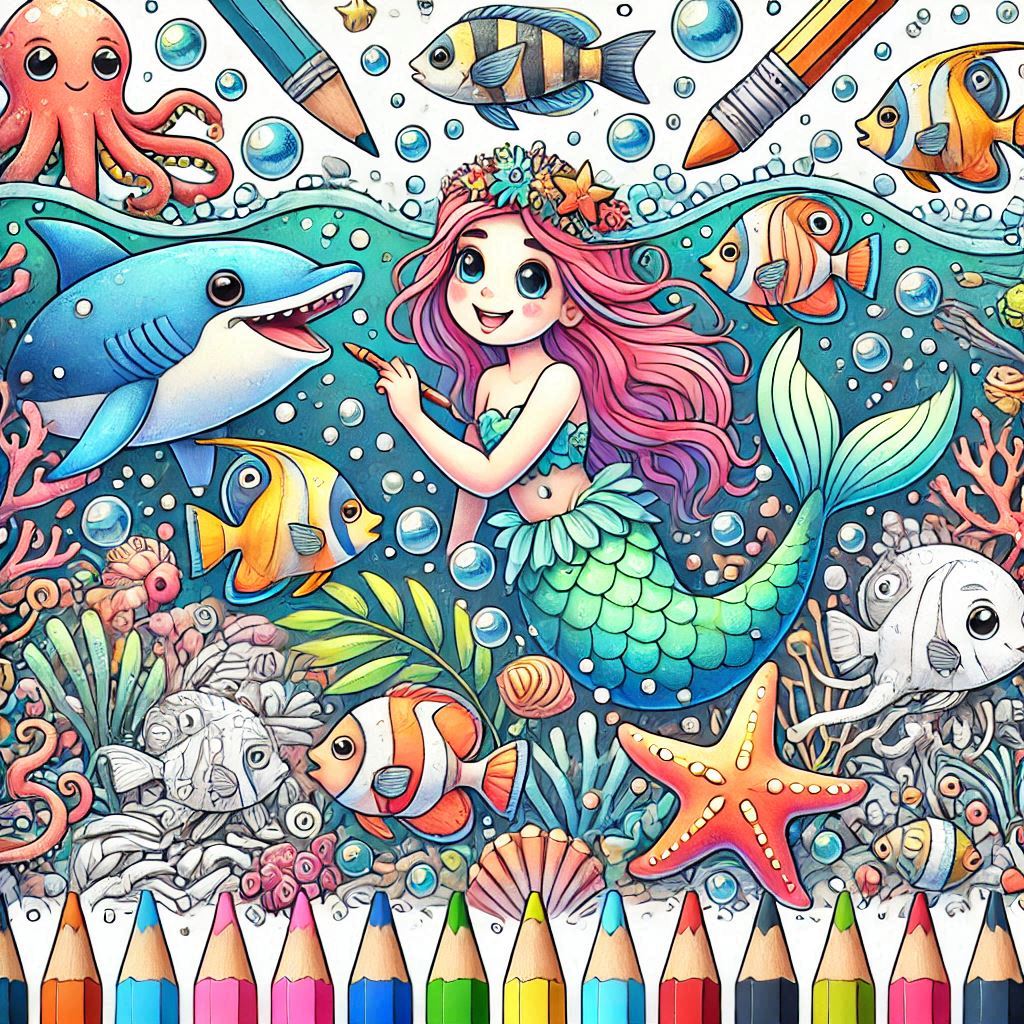
Drawing a fish is more than just an entertaining activity; it also promotes various skills that are beneficial for children’s development. Here’s why fish drawings are particularly great for kids:
Benefits of Drawing for Children
Drawing enhances creativity and cognitive skills in children. It encourages them to visualize ideas, problem-solve, and develop critical thinking skills. As they practice drawing, they also begin to understand proportions, symmetry, and shapes—skills that are helpful not only for art but also for subjects like math.
How Drawing Enhances Motor Skills
For younger kids, drawing is a wonderful exercise to improve hand-eye coordination. The process of holding a pencil, drawing lines, and filling in spaces with colors strengthens fine motor control. These skills are also essential for writing, playing instruments, and other activities.
The Calming Effects of Drawing
Drawing provides a therapeutic escape for children. It allows them to focus on one task and engage their mind in a creative activity. For kids who experience anxiety or stress, drawing a fish can offer a calming experience, giving them a sense of accomplishment as they complete their artwork.
3. Materials You’ll Need for Fish Drawing
To start drawing a fish, all you need are a few basic materials. These supplies are easy to find and are safe for children to use. Here’s what you’ll need:
Basic Drawing Supplies
- Paper: White paper is the most common, but colored paper can add a unique twist to your child’s drawing.
- Pencils: Use a soft pencil (HB or 2B) for sketching. A pencil allows for easy corrections during the drawing process.
- Eraser: Essential for making any adjustments or clearing lines that don’t quite work.
- Sharpener: Keep your pencil sharp for clean, precise lines.
Optional Materials for Coloring
Once your child has completed the sketch, they can add color to their fish drawing to make it vibrant and unique:
- Markers or Crayons: These are perfect for younger children who want to fill in large areas of color quickly.
- Colored Pencils: For finer detailing and softer blending.
- Watercolor Paints: If your child enjoys painting, watercolors provide a beautiful way to add soft, flowing colors to their fish.
4. Step-by-Step Fish Drawing Guide for Beginners
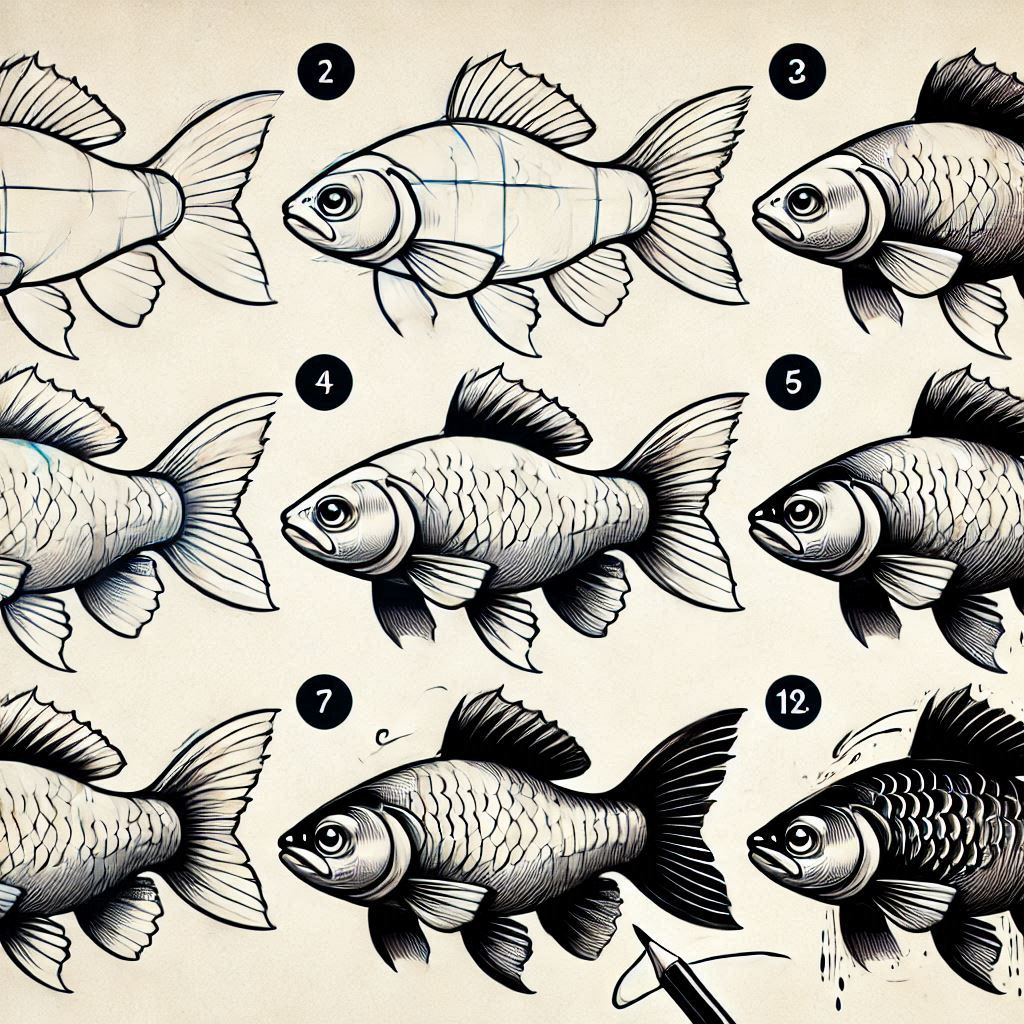
Now let’s dive into the exciting part—drawing a fish! This easy step-by-step guide will ensure that your child can create their very own fish drawing with minimal help.
Step 1: Drawing the Basic Fish Outline
Begin by drawing an oval shape. This will form the body of the fish. The oval should be slightly wider in the middle, mimicking the general shape of a fish. It doesn’t need to be perfect, and kids should feel free to make it their own!
Step 2: Adding the Fins and Tail
Once the oval body is drawn, add fins and a tail. Draw a curved fin on the top of the fish and another one on the bottom. For the tail, you can create a triangular or wave-like shape at the back of the body. These shapes help give the fish its movement and character.
Step 3: Detailing the Fish Scales
Next, add a series of small, curved lines across the fish’s body to create scales. These lines can be close together or spaced out, depending on how detailed you want the fish to look. Don’t worry about getting it perfect—encourage kids to have fun with it!
Step 4: Adding Color to the Fish
The final step is the most exciting—coloring the fish! Choose bright and vibrant colors like yellow, blue, orange, or even purple. Kids can experiment with different patterns or color gradients on the fish’s scales, fins, and tail. The more creative, the better!
5. Creative Variations to Try with Your Fish Drawing
Once your child is comfortable with drawing the basic fish, encourage them to experiment with different types of fish and fun underwater scenes. Here are some creative variations:
Drawing Different Fish Species
Help your child learn about different fish species while adding variety to their drawings. For example:
- Goldfish: Draw a round body with a flowing tail.
- Clownfish: This fish can be drawn with a distinctive orange and white striped pattern.
- Shark: Add some fierceness to the drawing by creating a long, sleek body with a large dorsal fin.
Exploring Underwater Backgrounds
Kids can create their own little underwater world around the fish. Consider adding elements like:
- Seaweed: Draw tall, wavy plants to surround the fish.
- Bubbles: Show the fish swimming up to the surface with tiny bubbles trailing behind it.
- Other Sea Creatures: Add crabs, turtles, or other fish for extra fun and creativity.
These variations allow children to personalize their fish drawings and explore different artistic styles and techniques.
6. Fun Fish Drawing Projects for Kids
Here are some creative projects that take your child’s fish drawings to the next level. These projects will encourage them to use their imagination and expand on their basic fish drawing skills.
Fish in a Jar or Aquarium Drawing
Encourage kids to draw a fish swimming inside a jar or an aquarium. This unique twist on the typical fish drawing allows kids to incorporate extra details like pebbles at the bottom of the jar, bubbles rising, and plants like seaweed or coral.
Cartoon Fish Drawing
For a fun, lighthearted project, try drawing cartoon fish with exaggerated eyes and playful expressions. Kids can turn their fish into fun characters with faces, smiles, and even accessories like sunglasses!
Fish with Textured Fins or Patterns
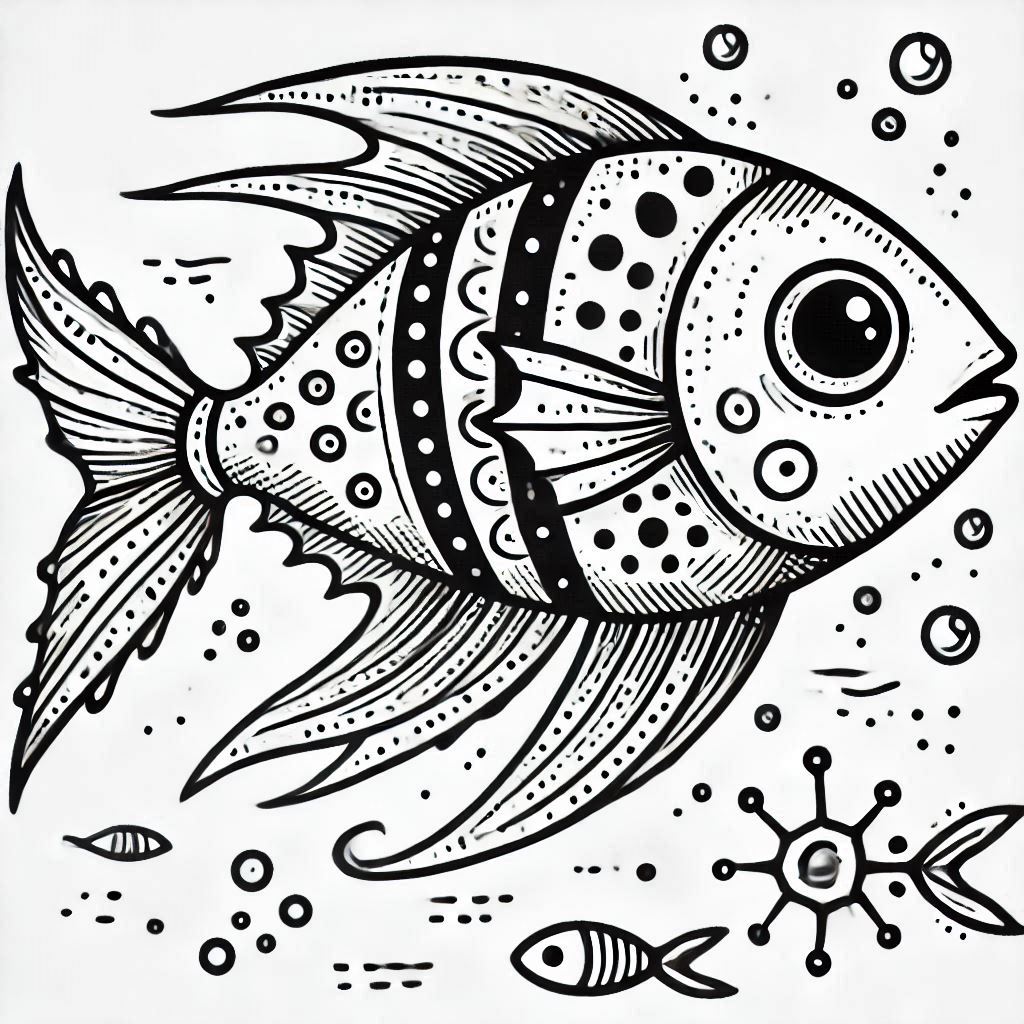
Help kids experiment with textures by drawing different patterns on the fins and body of the fish. Try stripes, dots, zig-zags, or scales with different sizes. Adding texture to the drawing gives it a more dynamic and detailed look.
7. Conclusion: Start Drawing Fish Today!
Drawing fish is a fantastic way to introduce kids to the world of art. It’s easy, fun, and helps them develop valuable skills in a creative way. Whether your child is drawing their first fish or exploring more advanced techniques, there’s no wrong way to create a fish drawing! Remember, the key is to make the activity enjoyable and allow your child to explore their imagination.
Now that you have all the tools and knowledge to start drawing, grab your pencils and paper, and let the fish drawing adventure begin!
8. Additional Resources & Drawing Tips for Kids
If your child enjoyed this fish drawing tutorial, there’s more fun to be had! Check out these additional resources to keep their creative journey going:
- Other Drawing Tutorials: Explore more step-by-step guides for easy drawing ideas, such as animals, nature scenes, and more.
- Books for Kids Who Love Drawing: Check out drawing books like “How to Draw Animals” or “Fun and Easy Drawing for Kids.”
- Drawing Tips for Parents and Teachers: Encourage your child to experiment with different styles, and remember that every artist develops at their own pace.
With these resources and tips, your child can continue to enhance their drawing skills while having fun!
 Simple Drawing For Kids